Lymphatic care · 5 min read
You have seen lymphatic drainage everywhere. What does it actually do?
Lymphatic drainage is frequently presented as a beauty trend. To understand the treatment, it helps to start with the system it is designed to support.
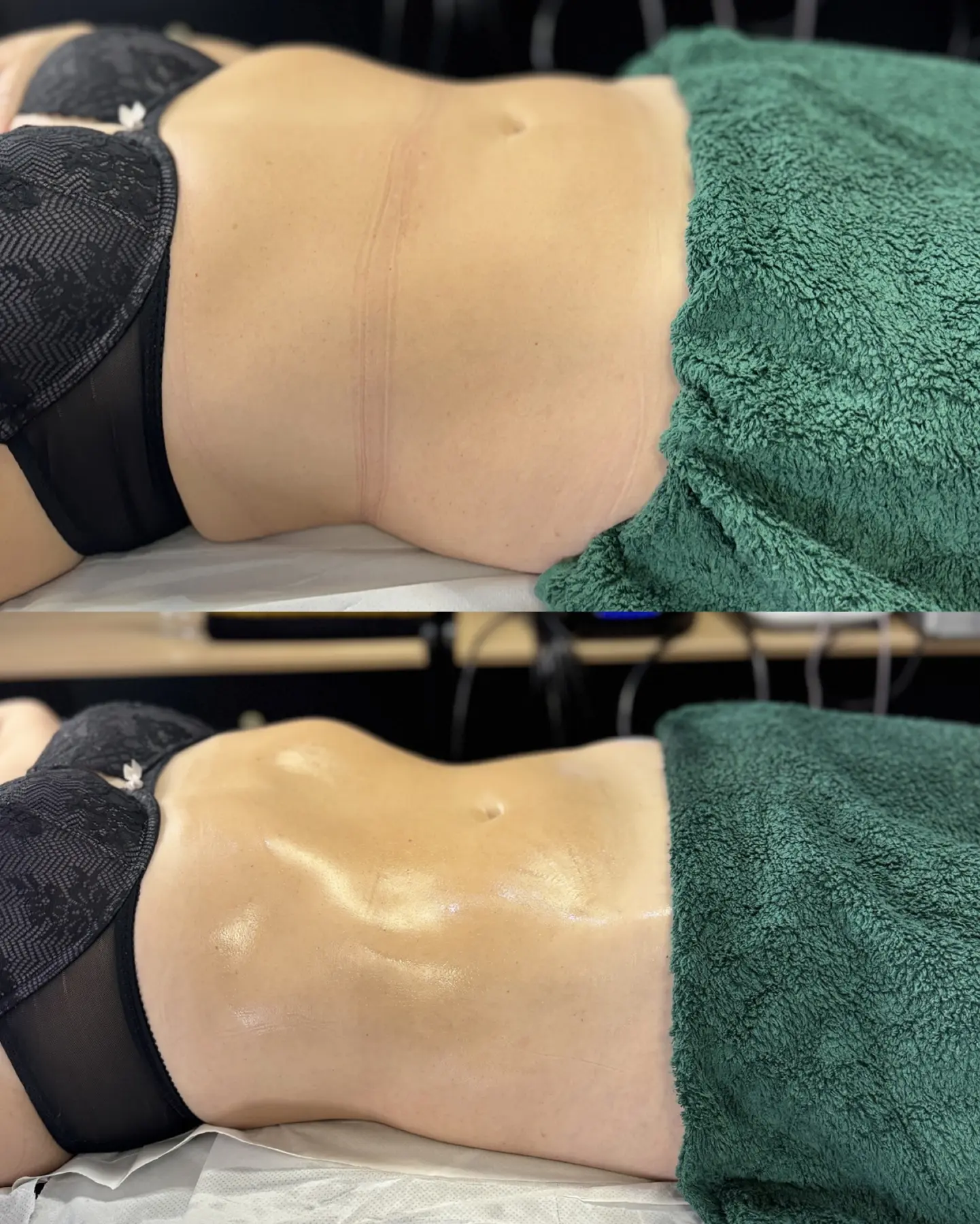
Your lymphatic system is always working
The lymphatic system is a network of vessels, nodes, tissues and organs. It helps maintain the balance of fluid in the body and forms part of your immune defences. It works alongside movement, breathing and normal muscle activity every day.
A healthy lymphatic system does not need a massage to switch it on. Claims that treatment detoxes the body, causes fat loss or is essential for every healthy person go beyond the available evidence.
What manual lymphatic drainage does
Manual lymphatic drainage uses gentle, slow and rhythmic movements at the surface of the skin. The aim is to encourage lymph fluid towards areas where it can drain more effectively. The NHS describes it as a specialised technique used to move fluid from swollen areas towards working lymph nodes.
It should feel very different from deep tissue massage. Firm pressure is not the goal because lymphatic vessels sit close to the surface. More pressure does not make the treatment more effective.
Why someone may choose treatment
When it is suitable, lymphatic drainage may help manage certain types of swelling, fluid build up and feelings of heaviness or discomfort. Some clients also find the gentle rhythm deeply relaxing.
It is not a weight loss treatment. A temporary change in appearance can happen when swelling reduces, but that is different from losing body fat.
Lymphatic drainage after surgery
Surgery can temporarily disrupt normal fluid movement and create swelling. Manual lymphatic drainage may form part of a wider recovery plan after some cosmetic procedures, but it is not suitable at every stage or for every person.
Timing should follow your surgeon or medical team's guidance. Treatment at NTA is assessment led and cannot begin while incisions are open or when symptoms require medical review. Lymphatic drainage does not replace your surgeon, medical assessment, compression or the rest of your recovery instructions.
How often should you book?
There is no universal rule that everyone needs lymphatic drainage once or twice each month. The right frequency depends on why you are booking, your health, your symptoms and how your body responds.
Someone receiving postoperative care may need a structured plan shaped around their healing stage. Someone booking for occasional comfort or relaxation may choose a different rhythm. An assessment should guide that decision rather than a trend online.
When treatment should wait
New or unexplained swelling, severe pain, an active infection, fever, a suspected blood clot, open wounds or unhealed incisions need appropriate medical attention. Certain health conditions and medications may also require written clearance before treatment.
Read the medical suitability guide and disclose your medical history, medication, recent surgery and current symptoms before your appointment.
A treatment should have a reason
At NTA, lymphatic drainage begins with understanding why you are considering it. Your treatment and any recommended frequency should reflect your body and circumstances. It should never be prescribed simply because it is popular online.